How Do Websites Rank Without Backlinks? Q&A Explained
Ranking a website without backlinks may seem impossible, but many sites achieve high search visibility without relying on external links. In this article, we answer the most common questions about ranking without backlinks, explaining the strategies, examples, and practical tips. Websites can rank without backlinks by creating high-quality content, optimizing for keywords, using strong technical SEO, and implementing internal linking. According to a 2025 SEO study, over 30% of low-competition queries rank without backlinks. This guide also covers Google ranking factors, strategies for SEO without links, and ways to improve organic search ranking.
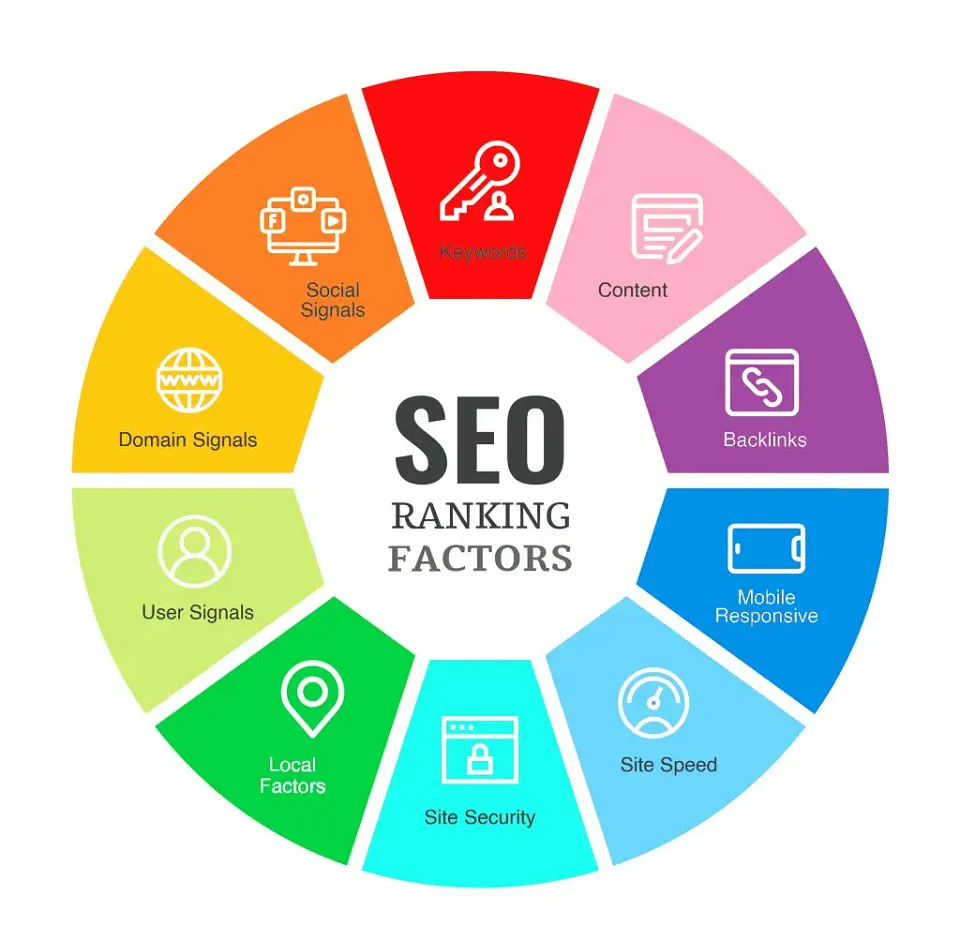
Ranking without backlinks means that a website achieves visibility on search engines without having other websites link to it. Instead of relying on external votes of confidence, these websites focus on content quality, user experience, keyword relevance, and technical optimization to signal value to search engines.
Yes, it is possible. While backlinks remain an important ranking factor, search engines evaluate many other signals. Websites that have highly relevant content, excellent user experience, and proper technical structure can rank for low-competition queries even without any external links. According to recent SEO studies, over 30% of low-competition queries rank on Google without external backlinks.
Backlinks are traditionally considered a strong ranking signal because they act as endorsements from other sites. However, for low-competition topics or highly specific questions, backlinks are not strictly necessary. On-page SEO, technical SEO, and user engagement can be more influential in helping a page rank in these cases.
Websites can rank without backlinks by creating content that satisfies search intent and provides practical value. It is important to focus on high-quality, original content that answers user questions fully and clearly. Optimizing pages for relevant keywords, especially long-tail variations, helps search engines understand the topic.
Ensuring technical SEO is solid, including fast page load times, mobile-friendliness, and clear navigation, supports better indexing and user experience. Internal linking between related pages distributes authority and signals the structure of the site. Monitoring user engagement, such as time on page and click-through rates, helps identify which pages are performing well and where improvements are needed.
Several types of websites can rank without relying on backlinks. Niche blogs with highly focused topics often rank quickly because competition is low. Knowledge-based sites that provide tutorials, guides, or step-by-step instructions can also perform well. New websites targeting specific, low-competition keywords may achieve visibility without links. Even larger sites can have pages that rank without backlinks if the content is unique, comprehensive, and highly relevant to the user’s search query.
Yes. Google increasingly prioritizes content that satisfies user intent over link quantity. Well-structured, informative, and original content can often outperform pages with many backlinks but weaker content. Pages that provide clear answers, examples, and explanations demonstrate authority to both users and search engines.
The time it takes varies depending on several factors, including keyword competition, content quality, and technical SEO. For low-competition queries, pages may start ranking in a few weeks. For more competitive topics, it may take several months of consistent optimization and content improvement before a page reaches prominent search positions.
Ranking without backlinks is generally safe and sustainable. However, pages without links may struggle to rank for highly competitive keywords. Without external endorsements, internal linking and content relevance become crucial. Maintaining up-to-date content and continually improving user experience is essential to retain rankings over time.
Yes, a new website can rank without any backlinks, especially for low-competition or niche keywords. By creating high-quality, relevant content and optimizing on-page SEO elements such as titles, meta descriptions, headings, and internal links, even brand-new sites can achieve visibility. Focusing on content-first SEO and long-tail keyword strategy can accelerate early rankings without relying on external endorsements.
Internal links do not completely replace backlinks, but they can significantly support ranking, particularly for pages within the same website. By connecting related content, internal links distribute authority, help search engines understand the site structure, and enhance user experience. When combined with strong content, technical SEO, and strategic keyword optimization, internal links can reduce the reliance on external backlinks for ranking.
The easiest niches to rank without backlinks are those with low competition and highly specific search intent. Examples include niche blogs, hobby-focused websites, educational content, local business pages, and specialized tutorials. In these niches, search engines prioritize content relevance and quality over link authority, making it possible for pages to rank quickly using on-page optimization, long-tail keywords, and content-first SEO strategies.
Ranking without backlinks for highly competitive topics is very challenging. Backlinks remain a key ranking factor for competitive searches because they signal authority and trust. However, in rare cases, pages with exceptionally high-quality content, optimized for content-first SEO, long-tail keywords, and on-page optimization, can rank in niche segments of competitive topics. For most high-competition queries, a combination of backlinks, technical SEO, and user engagement metrics is usually necessary to achieve and maintain top rankings.
Content length can significantly impact ranking without backlinks. Longer, comprehensive articles often perform better because they provide more in-depth answers, cover related subtopics, and satisfy user intent. When combined with on-page optimization, internal linking, and a content-first SEO approach, longer content can outrank shorter pages even without backlinks—especially for low-competition or informational queries. However, content should remain high-quality and well-structured, as unnecessarily long content without value can hurt engagement and rankings.
Yes. Multimedia content such as images, videos, infographics, charts, and interactive elements can improve ranking even without backlinks. Multimedia enhances user experience, increases time on page, and helps explain complex topics more clearly. Search engines prioritize pages that satisfy user intent, and content that includes relevant multimedia often performs better in content-first SEO strategies. Adding descriptive alt text, captions, and structured data further boosts visibility in search results.
User engagement is a critical signal when ranking without backlinks. Metrics like time on page, scroll depth, click-through rates (CTR), and bounce rate indicate whether content meets user expectations. High engagement suggests that the page is valuable and relevant, which can help search engines rank it higher even in the absence of backlinks. Optimizing content for readability, structure, multimedia, and internal linking increases engagement and supports rankings based on user behavior.
Quick Summary: Ranking Without Backlinks
Websites can achieve rankings without backlinks by focusing on several key factors. High-quality content that fully answers users’ questions and addresses search intent is essential. Pages should be optimized with relevant keywords, including long-tail variations, to help search engines understand their focus.
Strong technical SEO, including fast page load speeds, mobile-friendliness, and clear navigation, ensures that both users and search engines can easily access content. Internal linking connects related pages and distributes authority throughout the site. Tracking user engagement, such as time on page and interaction rates, provides insights that allow continuous improvement and better performance in search results.
Final Thought: Can Any Website Rank Without Backlinks?
Yes. With a strategic approach that combines excellent content, keyword optimization, technical SEO, and effective internal linking, websites can achieve search visibility without backlinks. While links remain helpful, creating pages that satisfy users and provide clear, practical information is often enough to rank, particularly for niche or low-competition topics. Ranking without backlinks is not only possible but increasingly common in modern SEO strategies.
For website owners looking to succeed with zero backlinks ranking, focusing on content quality, internal linking, and technical SEO is key. Strategies like linkless SEO allow sites to gain authority and relevance even without external endorsements. By optimizing for user intent and long-tail keywords, you can improve search visibility without links, proving that backlinks are not the only path to ranking on Google.
In addition, focusing on organic SEO ranking, content-first SEO, on-page optimization, and a long-tail keyword strategy can further improve visibility and make it easier for search engines to understand the relevance and authority of your pages.
Written by Ana Milojevik, who covers SEO, website growth, and content strategies for niche and new websites.
This article is for educational purposes and does not replace professional SEO consulting.