Why Bananas Turn Brown So Fast (Science Explained)
Bananas are one of the most popular fruits in the world—and also one of the most frustrating. You buy them perfectly yellow, put them on the counter, and within days (sometimes hours), they’re covered in brown spots. But why do bananas turn brown so fast compared to other fruits?
The answer lies in chemistry, biology, and a gas called ethylene. Let’s break down the science behind banana browning and explain what’s really happening inside that peel.
The Short Answer: It’s Ripening Gone Too Far
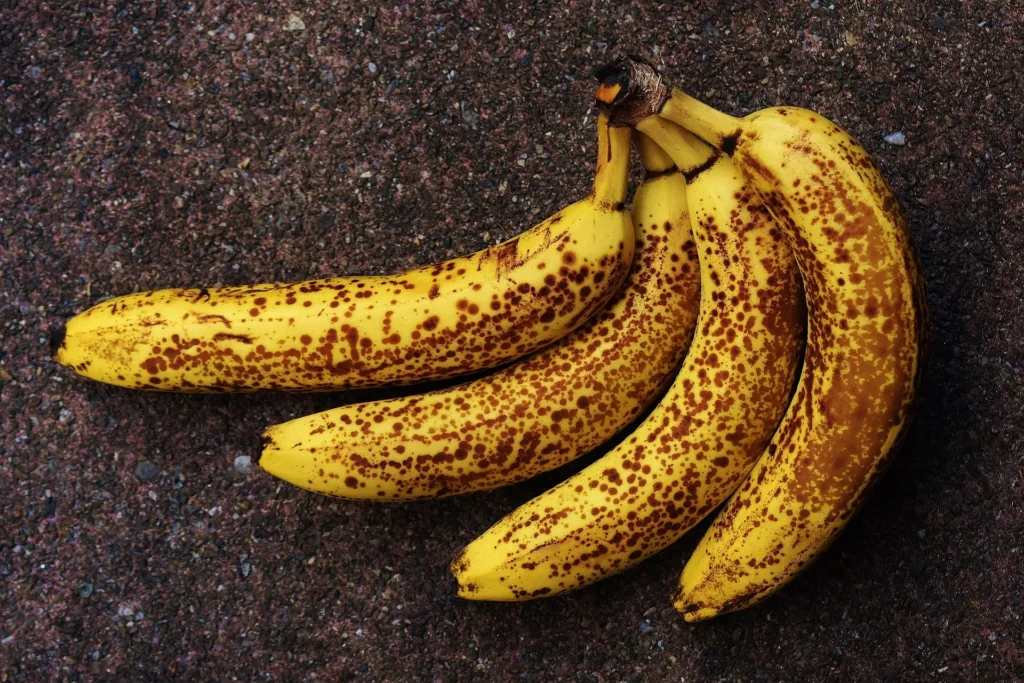
Bananas turn brown quickly because they continue to ripen after being picked, and they do so faster than most fruits. As they ripen, chemical reactions inside the banana change its color, texture, and sweetness.
Those brown spots aren’t rot at first—they’re a natural byproduct of ripening.
Ethylene Gas: The Real Culprit
The main reason bananas brown so quickly is ethylene, a natural plant hormone in gas form.
What ethylene does:
- Triggers fruit ripening
- Speeds up chemical reactions inside the fruit
- Softens the fruit and increases sweetness
Bananas produce a lot of ethylene, and they’re also extremely sensitive to it. This creates a chain reaction:
- Banana produces ethylene
- Ethylene accelerates ripening
- Faster ripening produces even more ethylene
That’s why one ripe banana can cause an entire bunch to brown faster.
Enzymatic Browning: Why the Peel Turns Brown
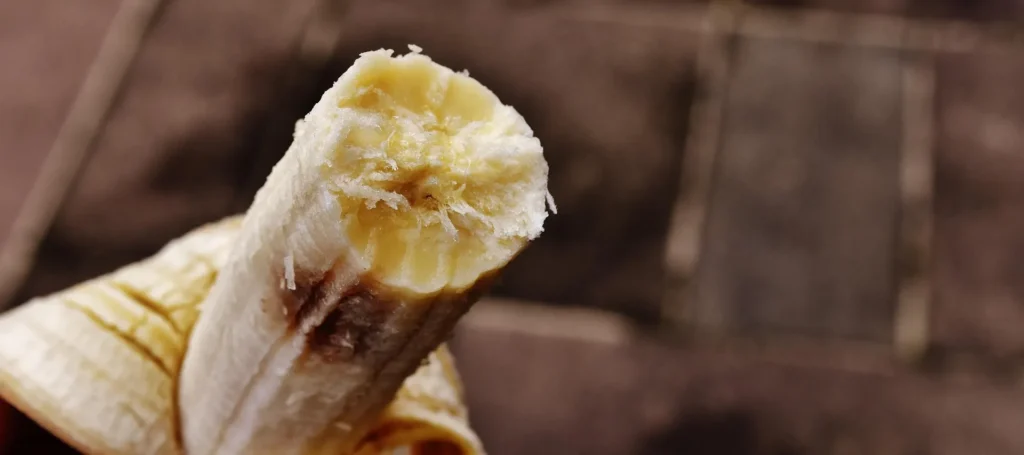
The brown color you see comes from a process called enzymatic browning.
Here’s what happens:
- Banana cells contain enzymes called polyphenol oxidases
- When the banana ripens, cell walls weaken
- Oxygen enters the cells
- The enzymes react with oxygen
- This reaction creates brown pigments (melanin-like compounds)
This is the same process that makes apples or avocados turn brown after being cut—but bananas do it faster because their structure breaks down more quickly.
Why Bananas Brown Faster Than Other Fruits
Several factors make bananas especially prone to browning:
1. Thin Peel
Banana peels are relatively thin and porous, allowing oxygen and ethylene to move easily.
2. High Sugar Content
As bananas ripen, starches convert into sugars. Higher sugar levels speed up enzymatic reactions.
3. Tropical Origins
Bananas evolved in warm, humid environments. At room temperature in most homes, they ripen extremely fast.
4. Post-Harvest Ripening
Bananas are harvested green and artificially ripened during shipping using ethylene gas—meaning the process is already in motion when you buy them.
What Do the Brown Spots Mean?
Brown spots don’t mean the banana is bad.
- Small brown spots: Banana is very ripe and sweet
- Large dark areas: Overripe, softer texture
- Black peel: Usually still edible inside, though mushy
Interestingly, bananas with brown spots often contain higher antioxidant levels than yellow ones.
Does Refrigeration Help?
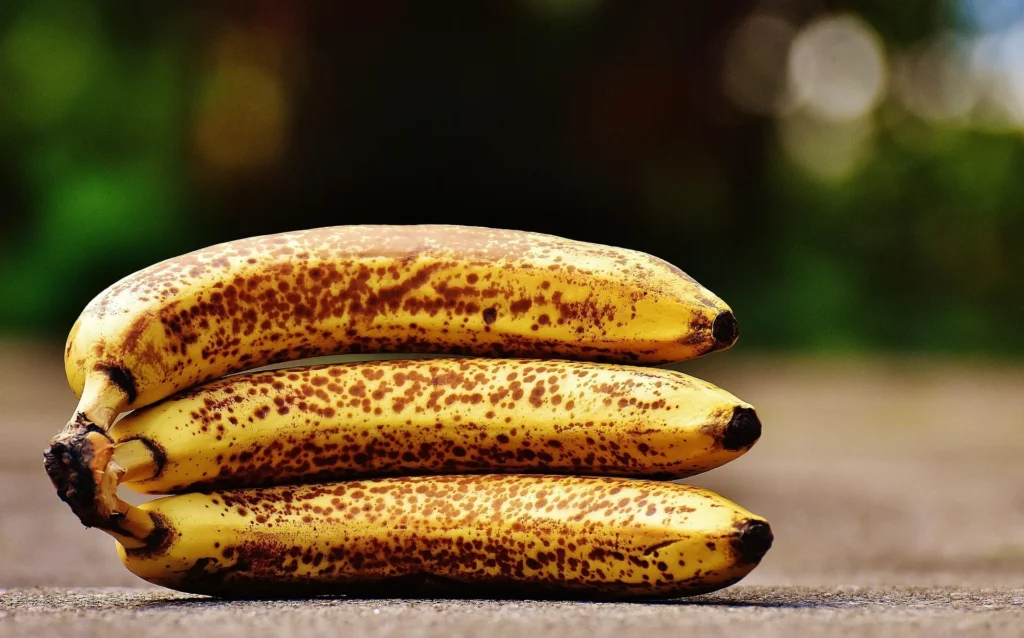
Yes—and no.
- Putting bananas in the fridge slows ripening
- The peel will turn brown or black faster
- The inside fruit stays fresh longer
The cold damages peel cells, causing discoloration, but it doesn’t harm the edible part.
Why Wrapping Banana Stems Works (Sort Of)
You may have heard that wrapping banana stems in plastic helps. There’s science behind it.
- Ethylene gas escapes mainly from the stem
- Wrapping the stem traps ethylene
- This slows ripening slightly
It’s not a miracle fix, but it can buy you an extra day or two.
Can You Stop Bananas from Turning Brown?
You can’t stop it completely—but you can slow it down:
- Keep bananas away from other fruits
- Store them in a cooler place
- Separate bananas from the bunch
- Refrigerate once ripe
- Use overripe bananas quickly (smoothies, baking)
Are Brown Bananas Bad for You?
Not at all.
In fact:
- They’re easier to digest
- Higher in antioxidants
- Sweeter due to more natural sugars
The only time to throw a banana away is if:
- It smells fermented
- Has mold
- Leaks liquid excessively
Final Thoughts
Bananas turn brown fast because they’re biologically designed to ripen quickly. Ethylene gas, enzymatic browning, thin peels, and tropical genetics all work together to speed up the process.
So next time your bananas start spotting up, remember: it’s not failure—it’s science doing its thing.
And if nothing else, those brown bananas are perfect for banana bread.